Get Roof Turbine Installation in Denver, CO
Roof turbine installation services help Denver property owners improve attic ventilation, reduce heat buildup, and prevent moisture problems by connecting with experienced local contractors.
Property owners in Denver, CO, exploring roof turbine installation often seek effective solutions to improve ventilation, reduce energy costs, and enhance overall roof performance. Properly installed roof turbines can help regulate airflow, prevent moisture buildup, and extend the lifespan of roofing materials. Whether upgrading an existing system or installing turbines for the first time, comparing options from experienced local contractors ensures that the project meets specific property needs and local building standards.
As Denver’s climate presents unique challenges, working with local service providers who understand regional conditions can make a significant difference. These professionals can assist in planning and selecting the right roof turbines suited for your property, helping to optimize performance and durability. Keep reading to learn how connecting with qualified local contractors can support your project planning and decision-making process.
- Roof Turbine Installation - needed when upgrading or replacing existing venting systems on residential or commercial roofs.
- Roof Turbine Installation - suitable for homeowners in neighborhoods like Capitol Hill or Highlands seeking improved attic ventilation.
- Roof Turbine Installation - required when installing new roofing and ensuring proper airflow to prevent heat buildup.
- Roof Turbine Installation - essential for properties experiencing poor ventilation or excess moisture in areas such as LoDo or Cherry Creek.
- Roof Turbine Installation - performed when adding turbines to boost ventilation efficiency after roof repairs or modifications.
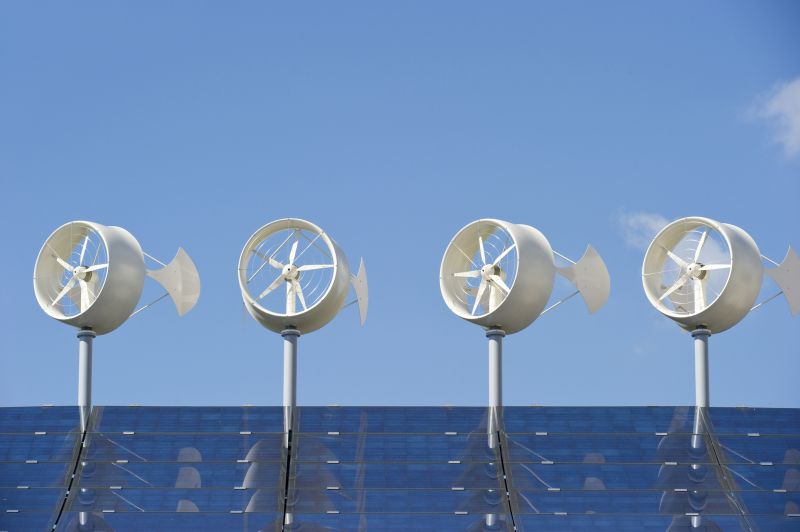
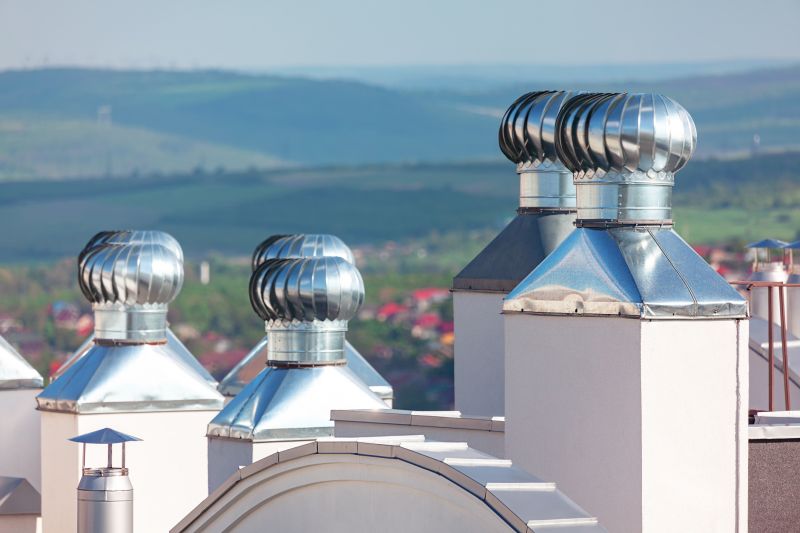
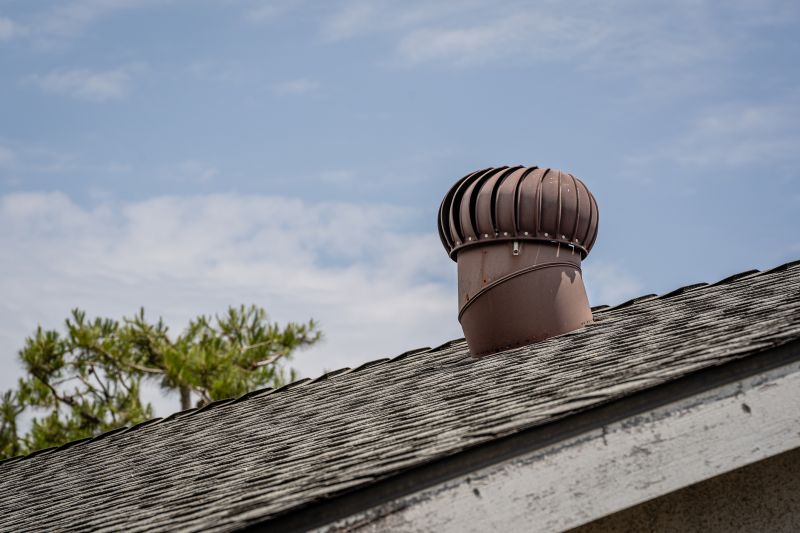
Roof turbine installation involves attaching vent fans to a building’s roof to improve airflow and ventilation. These turbines are typically mounted on the roof’s peak and are designed to spin with the wind, creating a natural draft that helps remove hot, humid, or stale air from inside the property. This process can help regulate indoor temperatures and reduce moisture buildup, which is especially beneficial in warmer months or in properties prone to excess humidity. Skilled contractors can ensure the turbines are installed correctly, functioning efficiently to promote better air circulation throughout the space.
This service is often sought to address issues related to poor ventilation, such as lingering odors, excessive humidity, or mold growth. In homes with attics or upper floors that tend to trap heat and moisture, roof turbines can serve as an effective solution to improve air exchange without relying solely on power-consuming fans. They can also help prevent issues like ice dam formation in colder climates by reducing moisture accumulation. For property owners experiencing these problems, installing roof turbines offers a practical way to enhance comfort and protect the structure from potential damage caused by poor airflow.
Properties that typically benefit from roof turbine installation include residential homes, especially those with attic spaces, as well as small commercial buildings or warehouses. Homes with limited attic insulation or inadequate ventilation systems may find turbines particularly useful in maintaining a healthier indoor environment. Commercial properties that generate heat or moisture during operations can also see improvements in air quality and temperature regulation. These turbines are suitable for a variety of property sizes and types, making them a versatile option for many property owners seeking to optimize airflow.
When considering roof turbine installation, property owners should evaluate their specific ventilation needs and consult with local service providers experienced in this work. Proper installation ensures the turbines operate effectively and safely, helping to solve issues related to excess heat, humidity, or stale air. Local contractors can assess the property’s characteristics and recommend the right type and placement of turbines to achieve the best results. This service is a practical choice for those looking to improve indoor air quality, reduce energy costs, and extend the lifespan of their property’s roofing and structural components.
The overview below groups typical Roof Turbine Installation projects into broad ranges so you can see how smaller, mid-sized, and larger jobs often compare in Denver, CO.
In many markets, a large share of routine jobs stays in the lower and middle ranges, while only a smaller percentage of projects moves into the highest bands when the work is more complex or site conditions are harder than average.
Smaller Repairs - Typical costs for minor roof turbine repairs range from $250 to $600. Many routine fixes fall within this range, especially for simple adjustments or part replacements. Larger or more complex repairs can sometimes reach higher prices.
Standard Installation - Installing a new roof turbine generally costs between $600 and $1,200. Most projects in Denver and nearby areas land in this middle range, depending on the number of turbines and roof complexity. Fewer installations push into the lower end, while larger jobs can be more expensive.
Full Roof Replacement - Complete roof turbine system replacements often range from $1,500 to $3,500. Larger, more involved projects, such as replacing multiple turbines or working on steep roofs, can exceed this range. Many local contractors offer packages within this scope for typical homes.
Complex or Custom Projects - Projects that involve custom designs, high-rise buildings, or extensive modifications can cost $4,000 or more. These are less common and tend to be tailored to specific building requirements, often requiring specialized labor and materials.
Actual totals will depend on details like access to the work area, the scope of the project, and the materials selected, so use these as general starting points rather than exact figures.
Roof Ventilation Projects - installing various types of roof vents requires similar planning, skills, and tools as roof turbine installation to ensure proper airflow and ventilation.
Attic Fan Installation - setting up attic fans involves working on the roof and understanding airflow dynamics, making it comparable to turbine installation work.
Skylight Installation - installing skylights involves roof access and sealing techniques similar to those used in turbine installation services.
Chimney Flashing Repair - working on roof penetrations and waterproofing methods aligns with the skills needed for turbine and vent installations.
Roof Leak Repair - identifying and fixing leaks requires knowledge of roofing systems and precise sealing, akin to turbine installation planning.
Gutter System Installation - installing or repairing gutters involves roof access and planning that overlaps with the skills used in turbine setup projects.
When selecting a service provider for roof turbine installation, it’s important to consider their experience with similar projects. Homeowners should look for local contractors who have a proven track record in installing roof turbines on properties comparable in size and style to their own. An experienced professional will understand the nuances of different roof types and be familiar with best practices, helping to ensure the job is completed efficiently and effectively. Gathering information about previous work can provide insight into their expertise and competence, making it easier to determine if they are well-equipped to handle the specific needs of the project.
Clear written expectations are essential when comparing local contractors for roof turbine installation. Homeowners should seek detailed proposals that outline the scope of work, materials to be used, and any other relevant details. Having this information in writing helps prevent misunderstandings and ensures that all parties are aligned on the project’s goals. It’s also helpful to ask service providers to specify what is included in their services and to clarify any uncertainties early in the process, promoting transparency and fostering a smoother working relationship.
Reputable references and effective communication are key factors in choosing a dependable local contractor. Homeowners can ask for references from previous clients who had similar projects completed, which can provide valuable insights into the quality of work and professionalism. Good communication from the outset - including prompt responses to questions and a willingness to discuss project details - indicates a contractor’s commitment to customer service. While the site introduces homeowners to local options, it does not perform the work itself; instead, it helps connect homeowners with qualified service providers who can handle the installation professionally.
Property owners in Denver, CO use Roof Turbine Installation services for practical projects around their homes and businesses. This guide focuses on everyday jobs and straightforward project options.
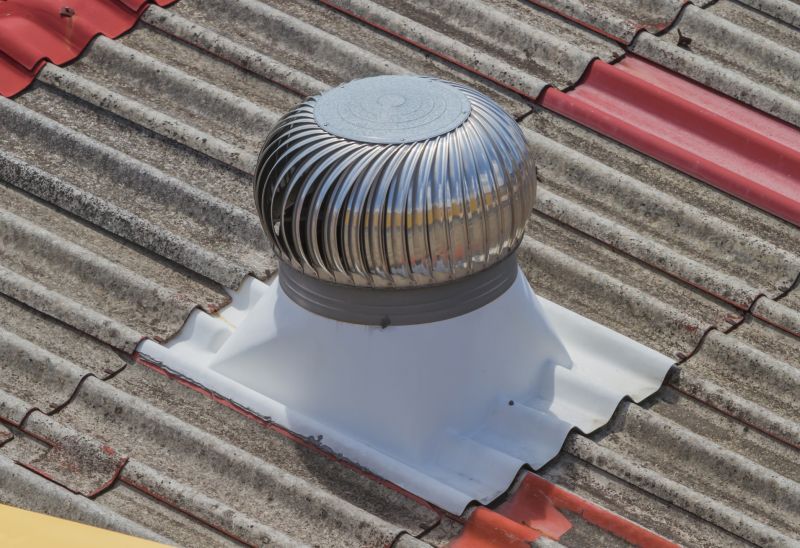

Roof turbine installation services are often sought by property owners in Denver, CO who are looking to improve their roof’s ventilation and overall energy efficiency. Homeowners and business owners might notice increased attic heat during hot summer months or experience moisture buildup that can lead to mold and damage. In these situations, local contractors can provide the expertise needed to install roof turbines that help promote better airflow, reducing indoor temperatures and protecting the structure from moisture-related issues.
Additionally, property owners may consider turbine installation when updating or replacing their roofing systems. Whether installing new roofs or upgrading existing ones, local service providers can assist in integrating turbines that enhance roof performance and extend the lifespan of the roofing materials. These projects are common for those aiming to maintain a comfortable indoor environment and prevent costly repairs caused by poor ventilation or trapped moisture.
What are roof turbines used for? Roof turbines are ventilation devices installed on rooftops to help improve airflow and reduce heat buildup inside a building.
How do roof turbines work? Roof turbines spin with the wind, creating a suction effect that pulls hot air and moisture out of the attic or roof space.
Are roof turbines suitable for all types of roofs? Roof turbines can be installed on most roof types, but it is recommended to consult with local contractors to determine compatibility.
What are the benefits of installing roof turbines? Installing roof turbines can enhance attic ventilation, potentially reducing cooling costs and preventing moisture buildup.
How can I find local contractors for roof turbine installation? This website can help connect with nearby service providers experienced in roof turbine installation services in Denver and surrounding areas.
Improve ventilation efficiency - Installing roof turbines can help increase airflow on hot days, reducing indoor temperatures and improving comfort.
Reduce energy costs - Proper attic ventilation from roof turbines can lower cooling expenses by decreasing the need for air conditioning.
Prevent roof damage - Properly installed turbines help prevent moisture buildup and ice dam formation, protecting roofing materials over time.
Enhance roof longevity - Ensuring good ventilation with turbines can extend the life of roofing systems by minimizing heat and moisture stress.
If you are thinking about Roof Turbine Installation for a property in Denver, CO, this guide is meant to help you understand the work, the typical project types, and how different options might fit your plans.
When you are ready, you can use the quote form on this page to share a few details about your project. From there, local pros can review the basics and respond with options that match what you have in mind.